
Tile Flooring Installation in San Antonio, TX

San Antonio puts floors through more than most cities do. The summers are long and hot, humidity shifts between seasons, and most homes connect directly to outdoor spaces where moisture, heat, and foot traffic come in together.
Tile is the one flooring material that handles all of those conditions without the workarounds that wood or carpet require, and we've been installing it across San Antonio for over 25 years.

25+ Years

Experience

Licensed

& Insured

Residential

& Commercial

Free

Estimates

25+ Years

Experience

Licensed

& Insured

Residential

& Commercial

Free

Estimates
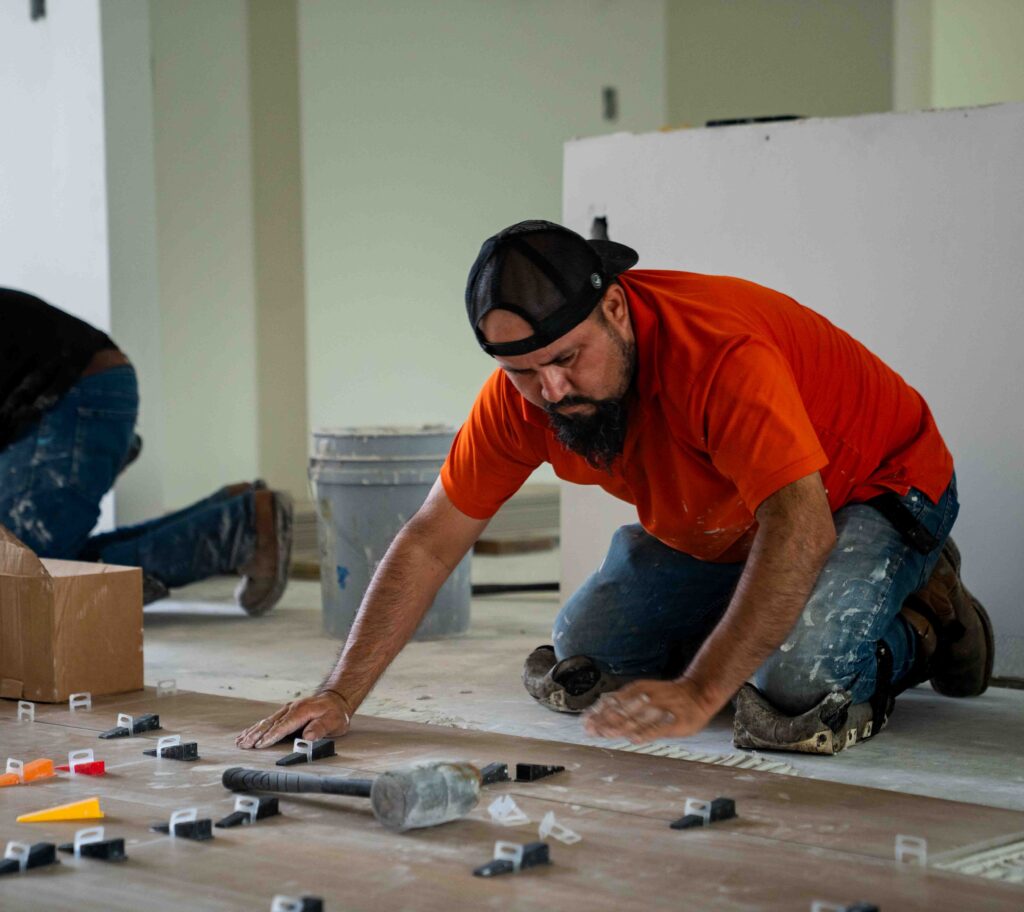
MNR flooring

Tile Installation in San Antonio TX

Most San Antonio homeowners come to tile for one of three reasons: moisture, maintenance, or the outdoor-to-indoor flow that defines how people live in this city. Tile handles all three better than any other flooring material available. It doesn’t absorb moisture from humid air or wet feet. It doesn’t need the acclimation periods, special underlayments, or humidity management that wood requires. And it moves comfortably between interior floors and covered patios, pool decks, and entryways that connect to the outside.

Tile also stays naturally cooler underfoot than LVP or carpet, which is a real advantage when your home runs hot through a San Antonio summer. On a concrete slab foundation, which is how most homes here are built, tile is one of the most stable flooring options you can choose. It bonds directly to the slab, doesn’t react to seasonal humidity shifts, and sits flat for decades when it’s installed correctly.

MNR Flooring and Paint has been handling tile flooring installation in San Antonio for over 25 years. We install ceramic, porcelain, natural stone, and ceramic plank tile for homes and businesses throughout San antonio and surrounding areas of Texas. Every project starts with a free written estimate and a proper sub-floor check before a single tile goes down.

Tile Flooring Options We Install in San Antonio
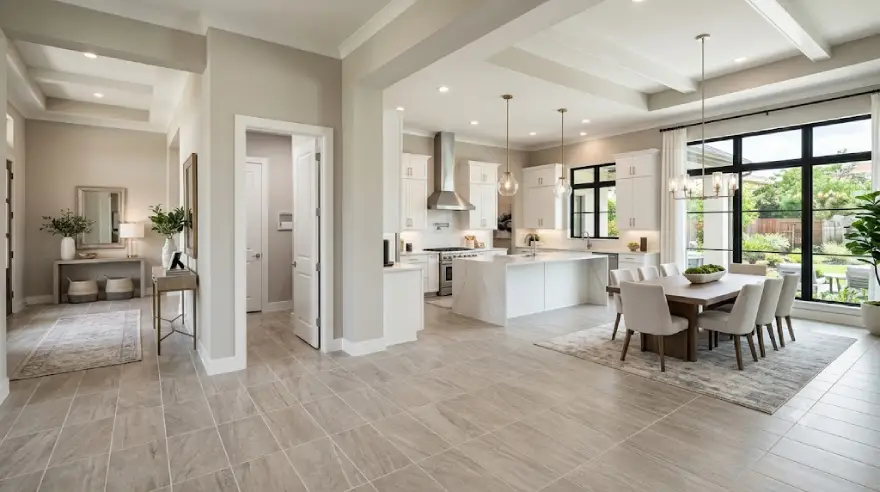
There are four main tile types we install in San Antonio. Each one suits different rooms, different budgets, and different performance needs. Here’s an honest look at each.
Ceramic Tile Flooring san antonio

Ceramic Tile Flooring

Ceramic tile flooring in San Antonio is the practical workhorse of the tile category. Its glazed surface resists moisture and stains, wipes clean without special products, and holds up in the rooms where most of the daily activity happens — kitchens, bathrooms, entryways, and laundry rooms. Ceramic tile installer work in San Antonio covers these high-use spaces where a floor that looks clean with minimal effort matters most.

Ceramic is not as dense as porcelain, so it's better suited for indoor rooms with moderate traffic rather than outdoor spaces or heavy commercial floors. But for the rooms where most homeowners want tile, it delivers strong results at a price that fits most budgets. We've installed ceramic in everything from small powder rooms to large open-plan kitchen and dining areas across San Antonio, and it holds up well in both.
Ceramic Plank Tile san antonio

Ceramic Plank Tile

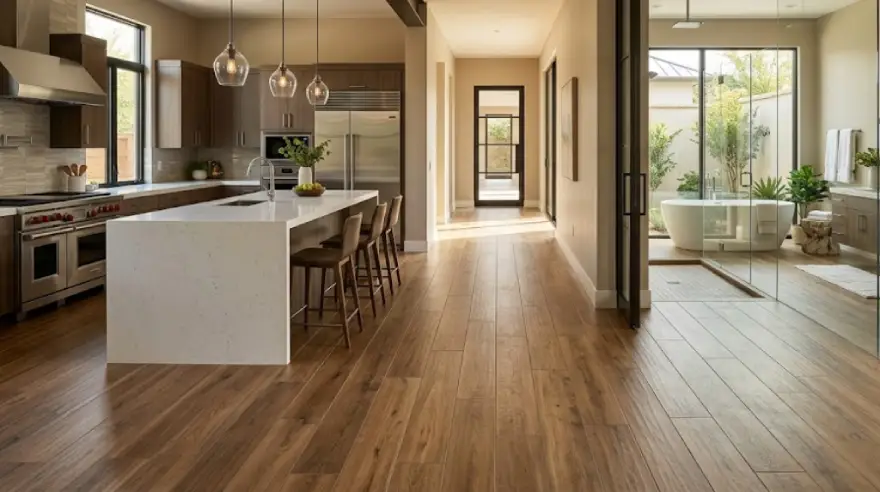
Ceramic plank tile in San Antonio solves a problem a lot of homeowners run into: they want the look of hardwood in a bathroom, laundry room, or kitchen, but putting real wood in those rooms is a mistake in this climate. Ceramic plank tile gives you the long-plank wood-grain format and warm tones of hardwood with the water resistance and durability of ceramic underneath.

It's scratch-resistant, moisture-resistant, and unaffected by the humidity that causes real wood to swell and gap over time. The look is convincing enough that most people don't identify it as ceramic without looking closely. If you want a wood-look floor that actually belongs in a moisture-prone room, ceramic plank tile is the practical choice.
Porcelain Tile Installation san antonio

Porcelain Tile Installation

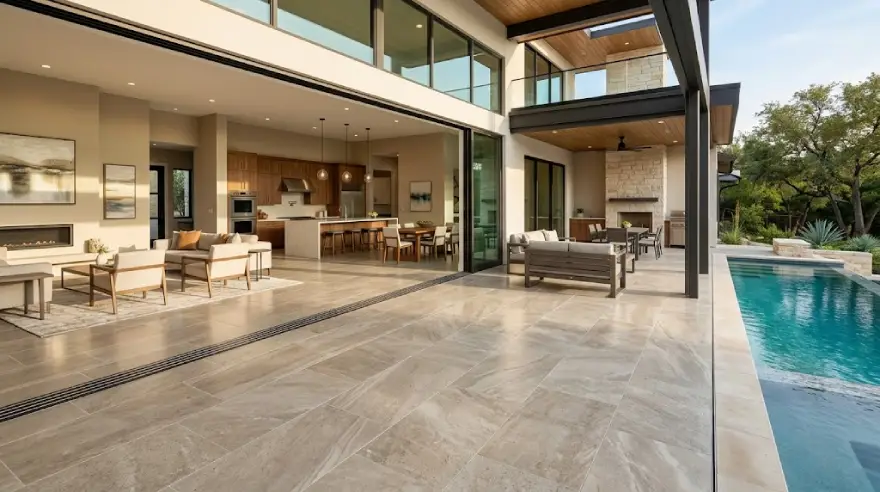
Porcelain tile installation in San Antonio TX is what we recommend when the space demands the most from a floor. Porcelain is fired at higher temperatures than ceramic, making it denser, harder, and far less porous. Its water absorption rate is so low that it handles outdoor weather, pool exposure, and the kind of foot traffic that would wear out ceramic quickly. In San Antonio, where summers push heat through exterior surfaces and outdoor-adjacent spaces see constant use, that durability is a real advantage.

When choosing porcelain, the PEI rating matters and most tile shops don't explain it. PEI measures surface wear resistance on a scale of 1 to 5. PEI 1 and 2 are wall tiles only. PEI 3 handles light residential floors. PEI 4 is what we recommend for busy entryways, kitchens, and light commercial spaces. PEI 5 is for the heaviest commercial environments. Getting the right rating for the right space is something we walk through during every estimate so you're not guessing at the tile shop.
Natural Stone Tile san antonio

Natural Stone Tile

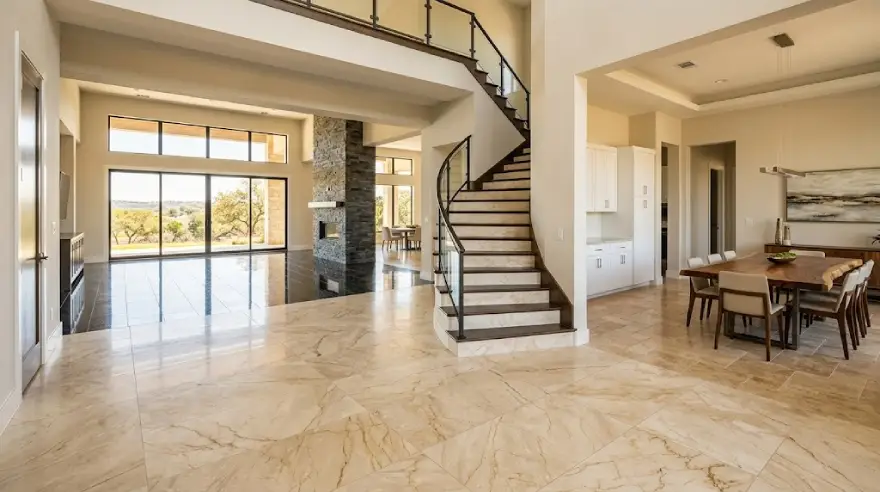
Natural stone tile in San Antonio TX is the premium option, and it earns that description. Marble, travertine, slate, and granite each carry their own character, and no two pieces look exactly alike. Properly sealed stone is moisture-resistant and can last a lifetime. It's the option that adds genuine distinction to a space rather than a look that could be anywhere.

The honest caveat about stone is the maintenance. Travertine and marble need regular sealing to stay moisture-resistant. Slate is denser and more forgiving, but still benefits from sealing in wet areas. Some stones scratch more easily than porcelain under heavy use. We walk through all of this during the estimate because stone is a long-term investment, and we'd rather you go in knowing what it requires than be surprised six months later. When the fit is right, there's nothing more distinctive available.

Not sure which tile type suits your space? Get a free estimate and we'll walk you through the options.

What Is the Best Tile Flooring for San Antonio Homes?
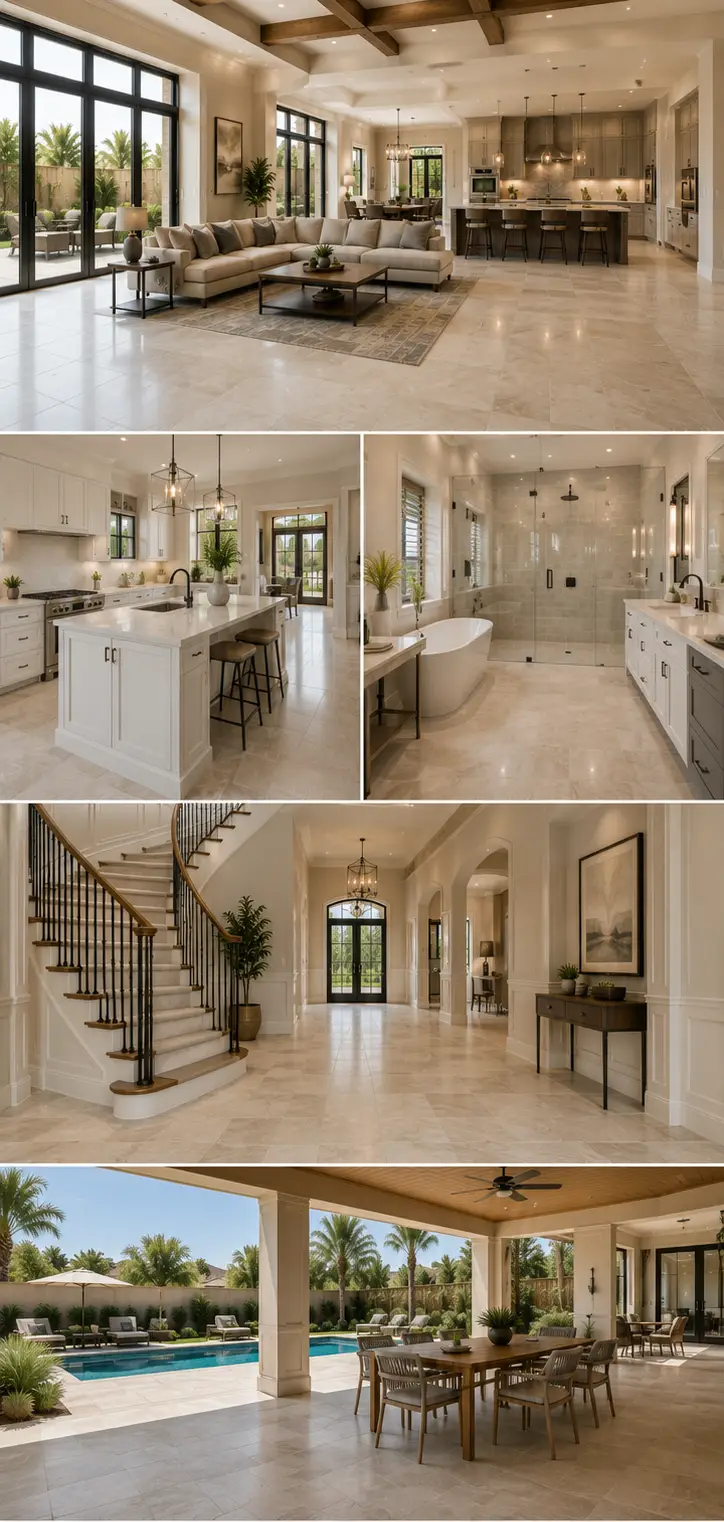
Porcelain and ceramic cover most San Antonio home needs. Porcelain for the high-demand rooms and outdoor-connected spaces, ceramic for the rooms where the performance bar is more moderate and the budget matters more. Between the two, you can tile an entire San Antonio home correctly without overspending or ending up with the wrong material in the wrong place.

The condition that changes the calculation most in this city is foundation movement. San Antonio’s clay soil shifts more than most, and that movement occasionally causes tile to crack — especially in older homes or near exterior walls. The solution is proper subfloor prep and the right installation method for the conditions. This is something we check on every estimate and address before anything gets installed. In older San Antonio homes on pier-and-beam foundations, the subfloor assessment is even more important before tile goes in.

Here is a room-by-room breakdown of what works:

One more thing worth mentioning: if your home is in a San Antonio historic district, check for any material or finish restrictions before committing to a tile type. We flag this during the estimate if it applies to your property.
Why Choose MNR for Tile Flooring in San Antonio
Get a Free Wood Flooring Estimate

Why Choose MNR for Tile Flooring in San Antonio

We address foundation movement before it becomes your problem

San Antonio's clay soil causes more foundation shifting than most homeowners expect, and that movement is one of the main reasons tile floors crack prematurely here. We check for subfloor issues and foundation movement on every estimate. If something needs addressing, you find out before the tile goes in, not after.

We explain PEI ratings in plain English before you choose anything

Most tile shops hand you samples and let you decide. We explain what PEI rating you actually need for each room in your home before you commit to a tile. Getting a PEI 2 tile into a high-traffic entryway is an expensive mistake. We make sure it doesn't happen.

25 years of tile installation in San Antonio's specific conditions

We understand how this city's heat, humidity, slab foundations, clay soil, and outdoor living spaces affect tile performance over time. That understanding goes into every recommendation we make.

We handle painting too

Tile renovation projects often involve painting at the same time. New tile floors often expose dated wall colors. Our team handles both trades under one schedule so you're not coordinating two separate contractors for one renovation.

Our Tile Flooring Installation Process

Tile installation done right has more steps than most people expect. Each one affects how long the floor lasts and how it looks ten years from now.

Free estimate and subfloor check

We come to the space, assess the subfloor for moisture, levelness, and signs of foundation movement, and give you a detailed written quote. In some San Antonio homes, termite activity and moisture accumulation under the slab also require inspection before tile goes in.

Subfloor preparation

We level uneven surfaces, address moisture or structural issues, and apply the correct base layer for the tile type. San Antonio's clay soil movement means this step gets more attention here than elsewhere. A level, stable subfloor is what separates tile that lasts from tile that cracks.

Layout planning

Before the first tile goes down, we plan the layout — starting point, direction, and cut placement at edges and transitions. A well-planned layout wastes less material and looks deliberate.

Setting, grouting, and sealing

We set each tile carefully, checking spacing and levelness throughout. Once set and cured, we grout and seal. Unsealed grout in a kitchen or bathroom stains fast. We seal grout on every job, and natural stone surfaces get sealed as well.

Final walkthrough

We walk the finished floor with you before we leave. Grout lines, tile alignment, transitions — anything that needs attention gets handled before we call the job done.

Start With a Free Tile Flooring Estimate

Types of Tile Flooring Projects We Handle

We install tile across San Antonio on all kinds of jobs, from single-room bathroom renovations to full commercial buildouts. Spring and summer are peak renovation seasons here if you're planning a tile project, booking your estimate early helps avoid scheduling delays.

Want to see examples of our tile work across San Antonio? Take a look at our project gallery.

Serving San Antonio And Surrounding Texas Communities

We install tile flooring across San Antonio and the surrounding areas, including Stone Oak, Helotes, Alamo Heights, Schertz, and Converse. We’re based at 9222 Culebra Rd Suite 101, San Antonio, TX 78251 and typically reach most Bexar County locations within 30 minutes. Not sure whether we cover your area? Give us a call. We’re usually happy to take a look.

Each neighborhood has its own foundation and soil conditions that affect how tile installation needs to be approached something we assess on every estimate before making any recommendations.

What San Antonio Homeowners Say About MNR Flooring and Paint

Join Our Happy Customers

Tile Flooring Questions We Hear Most

What is the best tile flooring for San Antonio's heat and humidity?

Porcelain and ceramic are both strong performers in San Antonio’s climate. Neither absorbs moisture, neither warps in the heat, and neither reacts to humidity shifts between seasons. Porcelain is the stronger choice for outdoor spaces and high-traffic floors because of its lower water absorption and higher density. Ceramic handles indoor rooms with moderate traffic well and comes in at a lower price point.

Porcelain is fired at higher temperatures, making it denser, harder, and less porous than ceramic. It performs better in outdoor spaces, wet rooms with heavy use, and commercial environments. Ceramic is softer, easier to cut, and typically less expensive. For most San Antonio bathrooms and kitchens with normal residential use, ceramic performs well. For entryways, outdoor spaces, and commercial floors, porcelain is almost always the right call.

Both are strong choices but suit different priorities. Tile is harder, more durable, handles outdoor-adjacent spaces better, and stays cooler underfoot in San Antonio’s summer heat. LVP is more comfortable to stand on for long periods, warmer underfoot, and easier to install over imperfect subfloors. For kitchens, bathrooms, and outdoor-connected spaces, tile is usually the stronger long-term choice. For bedrooms and living areas where comfort comes first, LVP deserves consideration.

Yes, and tile is one of the best flooring choices for concrete slab foundations. Unlike hardwood, it doesn’t expand and contract with humidity and bonds directly to a properly prepared concrete surface. Older San Antonio homes on pier-and-beam foundations may need additional subfloor assessment before tile installation. If your property is in a historic district, it’s also worth confirming there are no material restrictions that apply.

PEI stands for Porcelain Enamel Institute, and the rating measures a tile’s resistance to surface wear from foot traffic on a scale of 1 to 5. PEI 1 and 2 are for wall use only. PEI 3 suits light residential floors. PEI 4 handles busy residential entryways and light commercial spaces. PEI 5 is for the heaviest commercial environments. For San Antonio entryways, outdoor areas, and commercial floors, PEI 4 or higher is what we recommend.

Ceramic tile typically runs between $5 and $10 per square foot for materials and labor combined. Porcelain generally falls between $7 and $15 per square foot depending on grade and layout complexity. Natural stone starts around $10 per square foot and goes higher depending on the material. Subfloor condition and pattern complexity affect the final cost. We give you a written estimate with a full breakdown before work begins.
Ceramic tile typically lasts 60 years or more with proper installation and care. Porcelain often outlasts ceramic and can hold up for 75 years or longer. Natural stone, when sealed and maintained properly, can last a lifetime. The main risk to tile longevity in San Antonio is foundation movement causing cracks. Correct subfloor preparation during installation significantly reduces that risk.
Yes, and it’s a step that gets skipped more than it should. Unsealed grout in kitchens and bathrooms absorbs moisture, stains quickly, and deteriorates over time. We seal grout on every tile job as part of our standard process, and we seal natural stone surfaces as well since stone requires sealing to maintain moisture resistance.
If you’re searching for a tile flooring installer near you in San Antonio, look for a licensed and insured contractor with verified local reviews, a clear written estimate process, and real experience with San Antonio’s slab foundations and clay soil conditions. MNR Flooring and Paint has been installing tile floors across San Antonio for over 25 years, serving homes and businesses throughout Bexar County with free written estimates on every job. Call (210) 639-4007 or request an estimate online.

Ready to Get Your Tile Floors Installed?

Call us or request an estimate online. We’ll come out, look at the space and the subfloor, and give you a clear answer on which tile type works for your project and what it will cost.